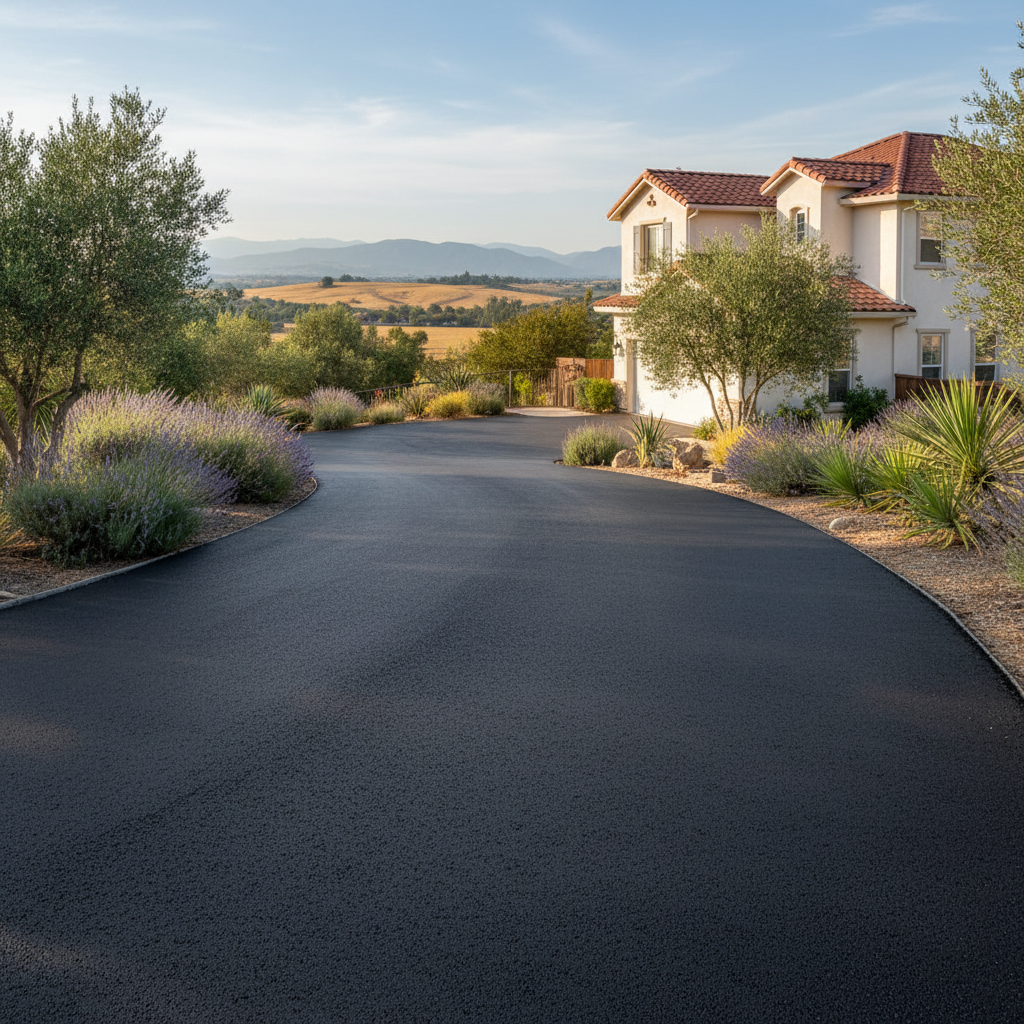
So, you just put in a new asphalt driveway or parking lot. Or maybe you're just looking at the one you've got and thinking, "How can I make this thing last?" That's a totally fair question. Asphalt's tough, sure, but it's not indestructible, especially with that Central Valley sun beating down on it year after year. Good maintenance isn't just about how it looks; it's really about protecting your investment and avoiding bigger, much more expensive repairs down the road.
Extend Your Asphalt's Life: Simple Steps
Around here, the biggest enemy of asphalt isn't always heavy traffic. Nope, it's the sun and water. Our hot, dry summers in Madera bake the oils right out of the asphalt, making it brittle. Then, when winter rains finally show up, that water seeps into those tiny cracks, freezes, expands, and boom — you've got potholes. Here's what you can do to fight back:
- Sealcoating: Think of sealcoating as sunscreen for your asphalt. It's a protective layer that puts those lost oils back, seals up minor surface cracks, and creates a barrier against UV rays, oil spills, and water getting in. For residential driveways, I usually tell folks to sealcoat every 2-3 years. Commercial lots, with all their traffic, might need it every 1-2 years. It honestly makes a huge difference.
- Prompt Repairs: Don't let a small crack turn into a big headache. You can fill a little crack pretty easily and cheaply. Ignore it, though, and it'll become a pothole, which is a much bigger problem.
- Cleanliness: Keep your pavement clear of debris, especially things like oil and gas spills. These petroleum products can actually break down the asphalt binder. Clean them up fast with something absorbent and a stiff brush.
- Drainage: Make sure water isn't just sitting around on your asphalt. Good drainage is key. If water pools, it's definitely going to find a way in and cause damage.
Regular Maintenance You Can Do Yourself
You don't need a whole crew out there every week, but a little regular attention really helps. For residential driveways, a quick sweep with a broom to clear leaves and dirt works wonders. If you've got a commercial lot, regular sweeping stops debris from grinding into the surface, especially in those high-traffic spots where cars are constantly turning and dragging things around. Check for any new cracks or oil spots, you know? It's all about being proactive.
Warning Signs: When Something's Not Right
Your asphalt will tell you when it's hurting. You just need to know what to look for. Here are some common warning signs:
- Cracks: I'm talking about more than just tiny hairline cracks. If you spot alligator cracking (a pattern that, yes, looks like alligator skin), that means the base layer might be failing, or the asphalt is really falling apart. Longitudinal cracks (running parallel to the pavement's edge) or transverse cracks (running across the pavement) are also big red flags.
- Potholes: These are pretty obvious, aren't they? They start small and get bigger fast. Don't ignore them.
- Fading or Discoloration: If your asphalt looks gray instead of black, it's probably oxidizing and losing its essential oils. That's a clear sign it's time for sealcoating.
- Pooling Water: If you've got puddles hanging around after a rain, it means your pavement isn't draining right. This can lead to some serious issues with the sub-base, no good.
- Raveling: This happens when the aggregate (the small stones) starts to come loose from the asphalt binder, making the surface rough and uneven. It usually means the asphalt is just getting old and deteriorating.
When to Call a Professional
Look, I'm not saying you need Madera Diamond Asphalt out there for every little thing. But there are definitely times when you should absolutely pick up the phone. If you're seeing extensive alligator cracking, big potholes, significant raveling, or areas where the pavement is sinking or heaving, that's way beyond a DIY fix. These kinds of issues often point to problems with the sub-base, which needs special equipment and expertise to fix correctly. Trying to patch over a failing sub-base is kind of like putting a band-aid on a broken leg — it just won't hold. We can assess the damage, figure out what's causing it, and recommend the most cost-effective solution, whether that's a simple patch, an overlay, or a full-depth repair. Seriously, don't wait until the problem becomes a safety hazard or starts damaging vehicles. Catching these things early saves you money and headaches in the long run.