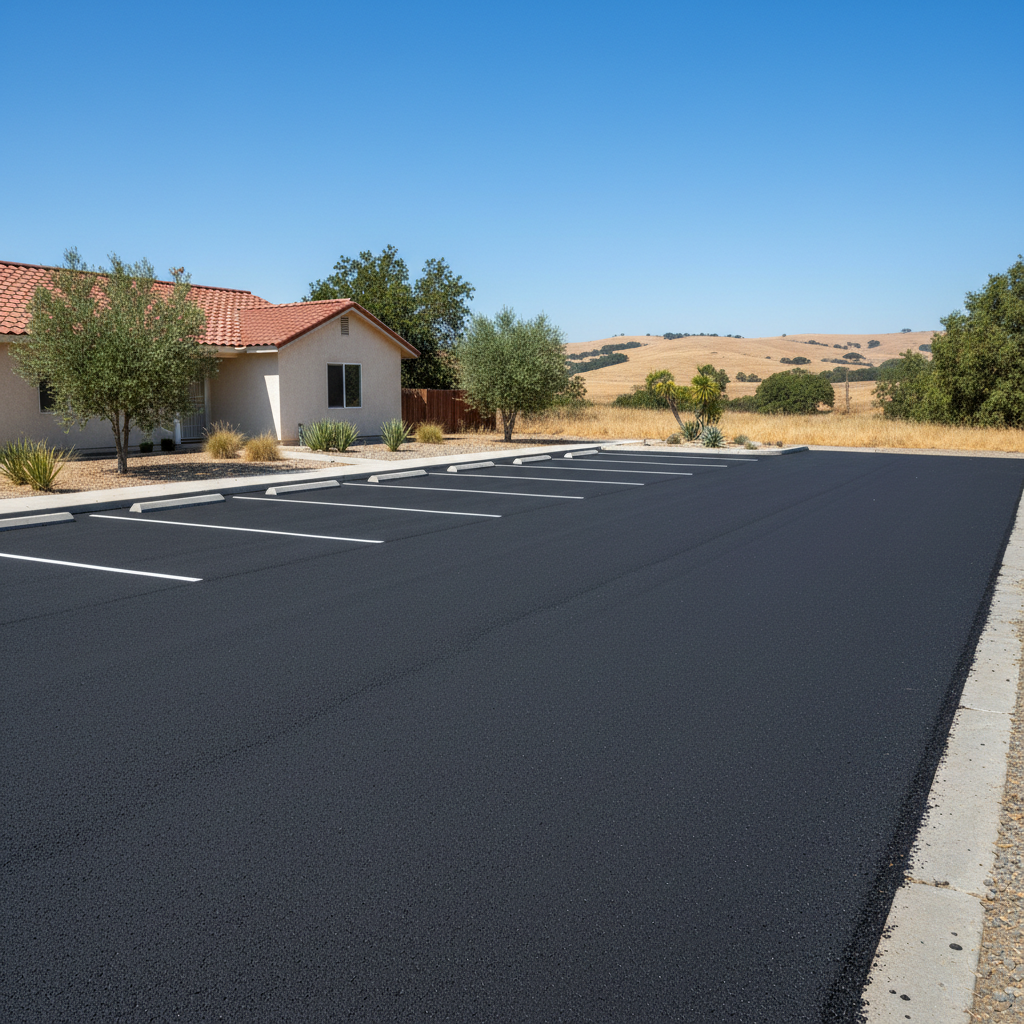
So, you need a new parking lot or your current one's seen better days. Maybe you're opening a new business on Cleveland Avenue, or your existing lot out by the fairgrounds is full of potholes. Whatever the reason, you're probably wondering: what's this going to cost me?
It's not a simple answer, but I can give you a clear picture of what goes into parking lot paving costs here in Madera. I've been doing this a long time, and I've seen everything from small retail strips to big industrial yards. Let's get into it.
What Drives the Price Tag?
A lot of things affect the final price of a parking lot. It's not just about the asphalt itself. Here's what we look at:
Size, obviously: Bigger lots cost more. This is a no-brainer, but it's not just square footage. A really big lot might get a slightly better per-square-foot price because of economies of scale with materials and equipment, but the total will still be higher.
Existing Condition: Is it a brand-new build on raw land? Or are we tearing out an old, cracked asphalt lot? If we have to remove and haul away old material, that adds to the labor and disposal costs. If the base material underneath is shot – maybe it's been neglected for years and the subgrade is unstable, especially with our clay soils here in Madera – we'll need to stabilize or replace it. That's a big factor.
Asphalt Thickness: A standard light-duty parking lot for cars might use 2-3 inches of asphalt on a good base. A heavy-duty lot for trucks, forklifts, or frequent deliveries will need 4-6 inches, or even more. Thicker asphalt means more material and more passes with the paver, which means more cost.
Drainage: Proper drainage is critical. If water sits on your lot, it'll break down the asphalt fast. We might need to grade the lot, install catch basins, or put in French drains. This isn't just an add-on; it's an investment that protects your pavement for years.
Site Access & Logistics: Is your lot easy to get to with big trucks and paving equipment? Or is it tight, requiring smaller machines and more handwork? Tricky access can increase labor time.
Striping & Markings: Once the asphalt is down, you need lines, arrows, handicap symbols, and signage. This is usually a separate line item but essential for a functional lot.
Typical Cost Ranges in Madera
Okay, let's talk numbers. Remember, these are estimates, and every job is unique. But this should give you a ballpark.
New Construction (Base & Paving): For a completely new parking lot, starting from a prepared subgrade, you're generally looking at anywhere from $3.50 to $7.00 per square foot. This includes grading, a good aggregate base, and 2-4 inches of asphalt. If you need extensive earthwork or drainage, it goes up.
Overlay/Resurfacing: If your existing lot is mostly sound but has surface cracks and wear, an overlay (adding 1.5-2 inches of new asphalt on top) is a good option. This typically runs from $2.00 to $4.00 per square foot. We'd usually mill (grind down) the edges first to ensure a smooth transition.
Remove & Replace: When the old lot is completely failed and needs to be torn out, hauled away, and rebuilt, expect $6.00 to $12.00+ per square foot. This is the most expensive option because of the demolition and disposal involved.
Sealcoating & Striping (Maintenance): This isn't paving, but it's crucial maintenance. Sealcoating can be around $0.25 to $0.50 per square foot, and striping typically adds another $0.15 to $0.30 per square foot, depending on complexity.
So, for a 10,000 square foot parking lot, a new build could be $35,000 to $70,000. An overlay might be $20,000 to $40,000. Big difference, right?
What Should a Good Quote Include?
When you get a quote, make sure it's detailed. Don't just accept a single number. A good quote from Madera Diamond Asphalt, or any reputable contractor, should clearly spell out:
Scope of Work: Exactly what's being done. Is it just paving? Or does it include demolition, grading, base prep, drainage, striping?
Materials: Type and thickness of asphalt, type and depth of base material.
Site Preparation: Details on grading, compaction, and any necessary subgrade work.
Drainage Plan: If applicable, how water will be managed.
Traffic Control: How they'll manage access during the project.
Timeline: Estimated start and completion dates.
Warranty: What's covered and for how long.
Payment Schedule: Clear terms for deposits and final payments.
If a quote is vague, push for more details. You need to know what you're paying for.
How to Avoid Overpaying (or Underpaying for a Bad Job)
Nobody wants to get ripped off, but going with the absolute cheapest bid isn't always smart either. Here's my advice:
Get Multiple Bids: Three is a good number. This helps you compare prices and understand the market rate for your specific project.
Check References & Reviews: A contractor's past work speaks volumes. Ask for local references, businesses right here in Madera that they've worked for. Drive by their jobs if you can.
Ask About Experience: How long have they been in business? Do they specialize in commercial paving? You don't want someone learning on your dime.
Verify Licensing & Insurance: This is non-negotiable. Make sure they're properly licensed and insured to protect yourself from liability.
Don't Rush: Take your time to review quotes and ask questions. A good contractor won't pressure you.
Understand the Long-Term Value: A slightly higher initial cost for better materials or more thorough prep work can save you a lot of money in repairs down the road. Cheap asphalt jobs often fail quickly, especially under our Central Valley sun.
Paving a parking lot is a big investment for any business. Do your homework, ask the right questions, and choose a contractor who gives you straight answers and quality work. That's how you get a lot that lasts.